Stormwater education and involvement
Stormwater that flows into our storm drains and natural waterways is not treated and can be harmful to fish and wildlife. Here’s how you can help keep our local waters clean!
Stormwater facts
Stormwater is rainwater or snowmelt that doesn't soak into the ground. Instead, it flows across lawns, driveways, and streets before entering storm drains and eventually natural waterways.
A common misconception is that stormwater flowing into storm drains is treated. In reality, most stormwater enters creeks, lakes, and Puget Sound with little to no treatment.
Pollutants in stormwater
As it flows, stormwater picks up pollutants left behind in parks and on lawns, streets, and parking lots. These pollutants flow to the stormwater drainage system and into our local waterways.
Here are some products that pollute stormwater:
- Soap
- Fertilizer
- Pesticide
- Automotive oil
- Pet waste
About 75% of all toxic chemicals in the Puget Sound come from stormwater pollution.
How stormwater affects salmon
Pollutants in stormwater can seriously harm salmon. The worst effects happen in streams that collect urban runoff—like Miller, Walker and SeaTac Des Moines creeks—especially during the salmon spawning season in fall.
For example, in fall 2015, Stream Steward volunteers reported that 75% of coho salmon returning to Miller Creek died before they could reproduce. Sadly, this is not uncommon in our urban streams.
Learn more in Miller-Walker Basin Stewardship: 2022 by the Numbers(PDF, 494KB). For more information about how stormwater affects salmon, read the Miller Creek Stewardship article.
How you can make a difference
Report spills and water quality issues
Report spills, illegal/illicit discharges, and other water quality concerns to the Spill Hotline at 206-973-4770.
Our Illicit Discharge Detection and Elimination (IDDE) program will then review your report. IDDE investigates illegal discharges or connections to our stormwater drainage system, working to protect and improve water quality in our natural waterways. For more information on the IDDE program, please see the IDDE Program Brochure(PDF, 1MB) or call Public Works at 206-973-4778.
Wash your car on your lawn or at a car wash

Car wash runoff is toxic to fish and aquatic life. Wash your car on your lawn or take it to a commercial car wash to keep the soapy runoff out of our lakes, streams, and Puget Sound. For more information on fish-friendly car washes, see our car wash flyer(PDF, 281KB).
Use car wash kits for fundraisers
We provide free car wash kits to use at car wash fundraising events in our community! You can borrow one from us to help keep harmful soaps and other toxins out of storm drains and Puget Sound.
The kits divert dirty, soapy water to sanitary sewers or a grassy area. Call 206-973-4753 to reserve a kit.
Install rain barrels
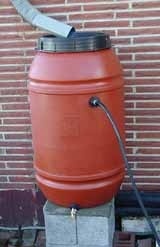 Catch the rain from your roof and use it to water your garden, while also managing stormwater runoff from your property. You can get big discounts when buying rain barrels at some City resource conservation events. Check our garbage and recycling page regularly to confirm when rain barrels are available.
Stormwater runoff can contain pollutants like sediment, oil, grease, and bacteria. Water that rain barrels collect would normally flow through the downspout, onto a paved surface, into a storm drain, and eventually into a nearby waterway. Collecting rainwater and using it to water your lawn or garden reduces the pollution entering into the stormwater system.
Build a rain garden
A rain garden is a shallow area that soaks up stormwater runoff from roofs, driveways, walkways, and lawns. Rain gardens can also collect runoff before it enters a lake or waterway.
For more information on rain gardens, see the Rain Garden Handbook for Western Washington Home Owners(PDF, 19MB).
Clean up after your pet
 Dog waste can contain bacteria that contaminates streams and lakes. Cleaning up after your pet is as simple as 1-2-3—scoop it, bag it, trash it. Remember to scoop up after your dog in the yard and public places.
For more information on the issues that pet waste can cause, see our Pet Waste Brochure(PDF, 2MB).
For a colorful and humorous reminder, watch the Dog Doogity music video.
Volunteer opportunities
You can take action to help keep our waterways clean and healthy.
Storm drain markers
You can get these colorful plastic curb markers with the message "Puget Sound Starts Here." They help remind everyone that pouring something down a storm drain or into a gutter is like pouring it directly into a lake, stream, or Puget Sound.
Help us mark storm drains in your area so everyone will remember that only rain should go down the drain. To get involved, please call 206-973-4753.
Lake monitoring
Local volunteers and the King County Department of Natural Resources check the water quality of Angle Lake. They collect data on water quality to identify potential problems and illegal discharges. For the latest data, check the 2021 Angle Lake Water Quality Report(PDF, 840KB).
These volunteer positions are full, but we’re looking for backup volunteers.
We also encourage community members to use sustainable practices to help take care of Angle Lake. Please see our Lake Stewardship Flyer(PDF, 270KB) for more information.
Adopt-a-Drain
The Adopt-a-Drain Program gives you the opportunity to help reduce flooding and keep Puget Sound clean by keeping a storm drain free of debris and litter.
Related links